
Cement major, multi-plant · Manufacturing
Same-shift ERP sync across multiple cement plants
A national cement manufacturer replaced shift-end paper forms with MES-driven confirmations. The CFO close now runs on numbers that match the line.
Read
Case Study ·
· Call compliance: 60% to 100% within 8 weeks of deployment · +22% conversion lift for scripted vs. unscripted calls · 300+ stores deployed in 3 months · Revenue per call tracked and attributed for the first time
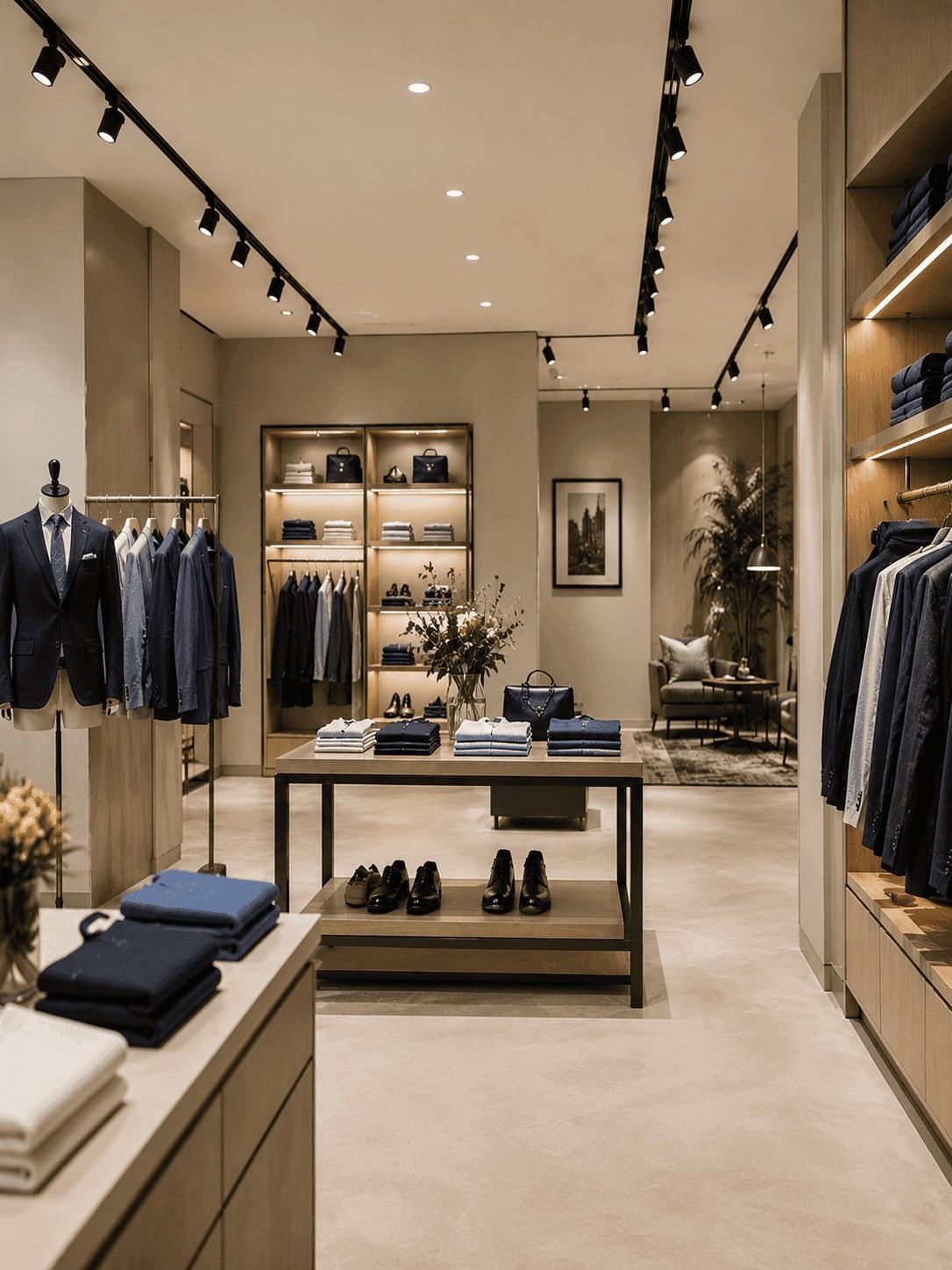
This retailer is a luxury menswear chain running an outbound calling programme across more than 300 stores, aimed at reactivating lapsed customers and driving incremental basket size from high-value segments, the kind of clientele where a single missed touchpoint can mean a missed six-figure relationship, not just one transaction. If your store network is running outreach that's supposed to move revenue but can't actually prove it does, this will feel familiar.
The programme's goal was clear: reactivate lapsed customers, grow basket size in high-value segments. In practice, call compliance ran at 55 to 65 percent, because store staff simply didn't have what they needed to execute. They didn't know who to call, what to say, or how to record what happened on the call. Even when a call went well, there was no way to connect it back to actual revenue, so the programme's ROI stayed a guess rather than a number.
Central visibility didn't exist either. Store-level performance was invisible from the corporate team, with no way to enforce store call compliance monitoring at any meaningful scale. There was no way to know which locations were executing the programme well and which were letting it slide. Of the 35 to 45 percent of calls that did happen, conversations ran unscripted, and outcomes ended up on paper, or didn't get recorded at all.
The retailer brought in Interwork to deploy the retail revenue orchestration platform, rolled out internally as "Smart Store," a mobile app that puts the calling programme directly in store staff's hands instead of leaving it to memory and initiative.
The daily call list builds itself. Built on event-based store calling tasks, the app surfaces each store's daily call list automatically, generated by customer segment and last purchase pattern, so staff open the app already knowing exactly who to call that day. Event-based store calling tasks replace the guesswork of "who's due for a call" with a list that's already been decided.
The script is on screen, live, during the call. Conversations are scripted by segment, and the relevant script appears on screen as the call is in progress, removing the guesswork that used to produce inconsistent, unscripted conversations.
Outcomes get captured at the moment they happen. A structured form captures the outcome the instant the call ends, replacing the paper notes and unrecorded calls that used to make follow-up impossible.
Sales get tied back to the call that drove them. ERP integration attributes sales directly to the calls that generated them, turning "we think this programme works" into a number the central team can actually see.
Customer data stayed protected at the counter. For a client base this high-value, staff never see a raw phone number. Secure data masking at the retail edge keeps the relationship personal without exposing the customer's actual information to whoever is on shift, a baseline expectation once you're doing secure data masking at the retail edge for a clientele this sensitive to privacy.
Corporate gets a live view, not a monthly guess. The central team dashboard shows call volume, compliance rate, outcome distribution, and revenue per call, broken down by store, region, and segment, updated daily with no manual reporting required, which is what it actually takes to enforce store call compliance monitoring at 300-plus locations without adding headcount.
| Metric | Before | After | Change |
|---|---|---|---|
| Call compliance | 55-65% | 100% | +35-45 pts |
| Conversion (scripted vs. unscripted) | Unscripted baseline | +22% lift | +22% |
| Store rollout | Not deployed | 300+ stores | 3-month rollout |
| Revenue attribution per call | Not tracked | Tracked and attributed | — |
| Central visibility | Store-level performance invisible | Daily, network-wide | — |
Compliance didn't improve because the retailer had to enforce store call compliance monitoring more heavily, it improved because friction got removed. Store staff finally knew who to call, what to say, and what to record, and the calling programme became a routine part of the shift instead of an extra task competing with everything else. The knock-on effect was a real way to accelerate store cash velocity, since reactivated customers and upsell conversations now happened on a predictable weekly rhythm instead of whenever a call happened to get made. Any retailer looking to accelerate store cash velocity through outreach eventually runs into this same lesson: compliance and revenue move together, not separately.
Talk to our team about turning your store calling programme into a measurable revenue channel →
"We used to run this programme on faith. Staff were doing their best with a list and no script, and we had no way to know if it was actually driving revenue. Now the app tells them exactly who to call and what to say, and we can see the revenue attached to every single call. It's the same programme, but now it actually works."
Head of Retail Operations, Luxury Menswear Retail Chain
How did compliance jump from 65% to 100% that fast? By removing the guesswork, not adding oversight. Once staff had an auto-generated call list, an on-screen script, and a one-tap outcome form, there was nothing left standing between them and completing the call correctly.
How is revenue actually attributed to a specific call? ERP integration links completed calls to the transactions that follow them, so a call's outcome isn't just logged, it's connected to whether it produced a sale.
How long did the full 300+ store rollout take? Three months from first deployment to full network coverage, with compliance reaching 100% within the first eight weeks of go-live.
If your outreach programme can't tell you which calls are actually driving revenue, let's map out what a measurable calling programme, built on a retail revenue orchestration platform, could look like across your stores.
Set up an architectural review with our retail software engineering team →
Related resources
A national cement manufacturer replaced shift-end paper forms with MES-driven confirmations. The CFO close now runs on numbers that match the line.
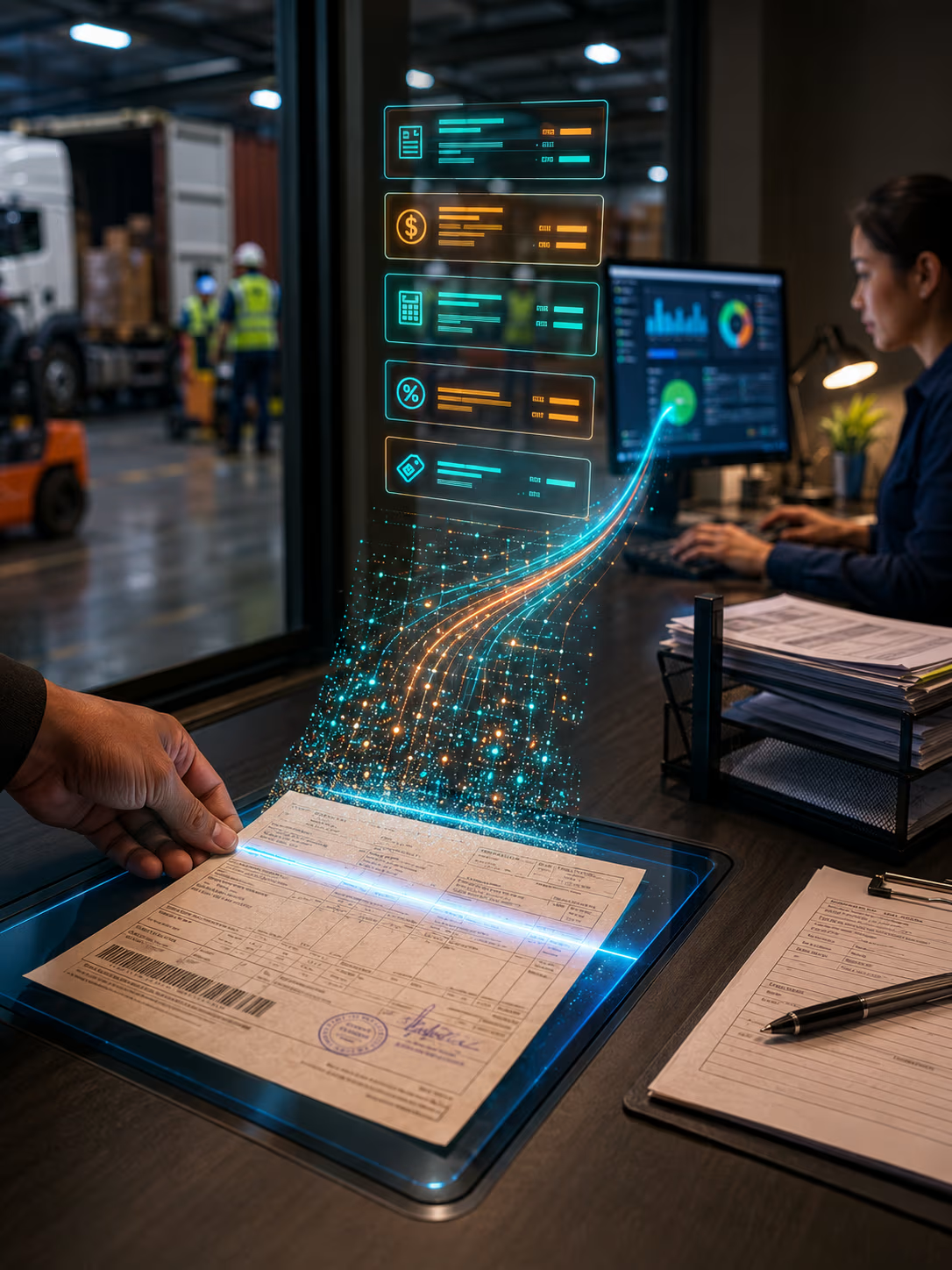
A multi-plant OEM eliminated the freight reconciliation backlog. Working capital trapped in unreconciled freight liability returned to operations within 90 days.

A leading automotive OEM cut dealer support load by routing PO, LR and funds queries through the portal. Counter staff stopped calling the OEM to ask where their consignment was.